
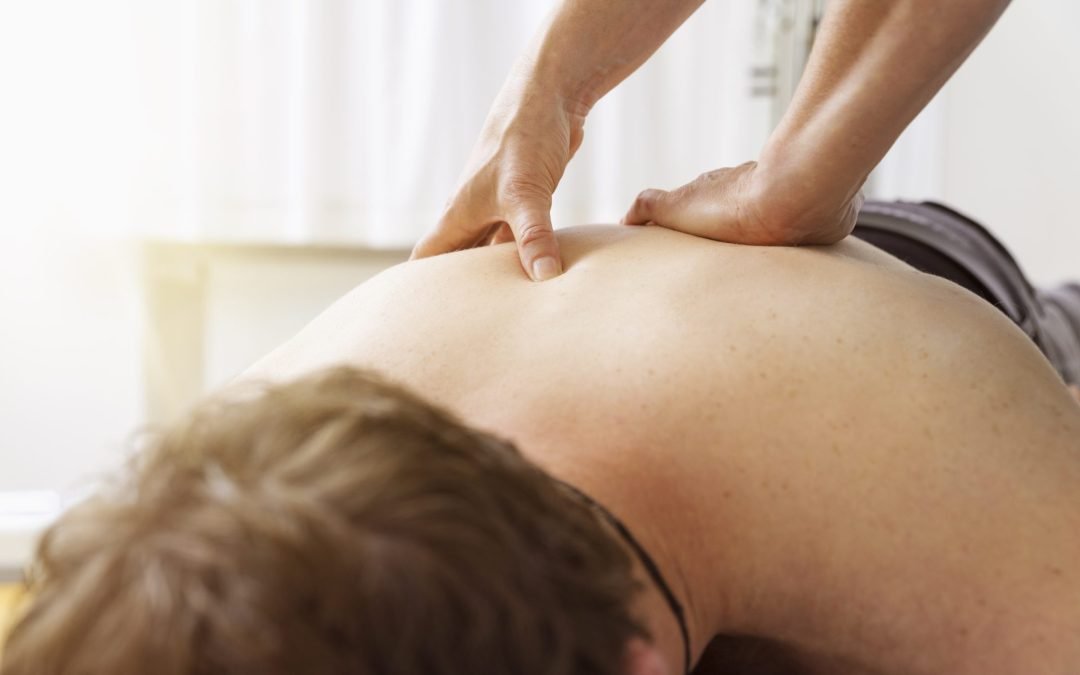
If you experience a traumatic experience in the past, it can lead to post-traumatic stress disorder. It may appear in the form of nightmares, flashbacks, and emotional numbness. It usually creates a psychological effect. However, you may not realise it can have a physical impact. Therefore, an expert physiotherapist in Epping may recommend physiotherapy treatment. It may significantly improve both physical and mental well-being.
Ways Physiotherapy Can Improve the Physical and Mental State
Reduce Muscle Tension and Provide Pain Relief
When you have PTSD, you may experience chronic muscle tension. Due to the body’s fight-or-flight response, muscles may remain in a constant state of alert. It may lead to long-term pain, stiffness and aches. During this time, an expert physiotherapist can come to your rescue here by releasing the built-up tension. Here, techniques such as myofascial release and soft-tissue mobilisation may be utilised. Trigger point therapy can be useful at the time. Relieving muscle tightness may help restore the body’s natural movement. It may lead to a reduction in the pain.
Increase the Sleep Quality
Sleep disturbance is a prominent PTSD symptom. It is quite natural to suffer from nightmares and insomnia after a traumatic event. Poor sleep can further increase PTSD symptoms. It may lead to a cycle of constant fatigue and stress. For this reason, the therapist in Epping recommends physiotherapy sessions, as they may help improve sleep quality. Relaxation techniques, such as guided breathing exercises and progressive muscle relaxation, may prove beneficial. Gentle stretching can help to maintain calmness and reduce anxiety. It may help the body get a restful sleep.
Release Stress Using Breathing Exercise
Most of you may not be aware that physiotherapy also includes breathing exercises. It is especially effective in dealing with PTSD. It allows the nervous system to be regulated. It is possible to activate the parasympathetic nervous system through deep, slow breathing. When the body calms down, it may be able to reduce the stress.
On the other hand, diaphragmatic breathing, in addition to paced breathing, can be helpful to handle panic attacks and anxiety. By practising the breathing exercise, you can regain control over stress. It is possible to enjoy stability in daily life.
Exercise for Ensuring Physical and Mental Health
Exercise can help manage PTSD. It may improve your mental health as well as your physical health. It releases endorphins, which may act as the national mood boosters. Experts can create a customised exercise plan to improve strength, flexibility, and endurance. Not just the physical symptoms, it can improve the mood and decrease anxiety. Here, experts may recommend aerobic exercises such as walking, swimming, and cycling for a person with PTSD. It may improve the overall fitness over time.
Epping Physiotherapy Clinic may dedicate a qualified physiotherapist in Epping to help you. Understanding the requirement, a tailored plan may be created to deliver a solution for sleep disturbances, tension and pain. We utilise the right technique at the right time. Call or contact us today to regain control of your life.